
A home doesn’t become comfortable simply because the furniture is expensive or the rooms have been decorated beautifully. Comfort comes from the way everything works together. It’s the dining chair that feels right even after a long meal, the sofa that welcomes you at the end of a tiring day, and the bedroom that makes it easier to slow down when the rest of the world feels busy.
These details can be easy to overlook when planning an interior. There’s so much attention given to paint colors, flooring, lighting, and decorative finishes that furniture sometimes becomes an afterthought. Yet furniture influences how people move through their homes, how they spend time together, and whether a room feels inviting or awkward.
Choosing the right pieces requires a little more thought than matching colors or following the latest trends. Size, construction, materials, maintenance, and personal habits all play a part. The good news is that you don’t need to replace everything to make a meaningful improvement. Often, a few well-considered decisions can change the way an entire home feels.
Start With the Way You Use Each Room
Before shopping for furniture, take some time to understand what each room needs to accomplish. A living room in a busy family home has different requirements from a formal sitting area used mainly for entertaining guests. Similarly, a dining space used every evening needs to be planned differently from one reserved for occasional gatherings.
Consider how many people will use the room, how much movement it needs to accommodate, and which activities happen there most often. If children regularly play on the living room floor, for example, low tables with suitable edges and durable upholstery may be more practical than delicate furniture. If guests frequently stay overnight, flexible seating or a well-planned spare bedroom could be useful.
Measurements should come before purchases. A large sofa may look appealing in a showroom but overwhelm a smaller living area. A dining table that comfortably seats eight might leave little room to pull out the chairs in a compact home. Measure the room, account for doors and walkways, and check the dimensions of each piece before making a decision.
A beautiful interior begins with furniture that fits the space and supports the people living in it.
Choose Seating That Balances Style and Comfort
Seating is often one of the most frequently used elements in a home, which makes comfort particularly important. The right chair or sofa should support the body properly, suit the room’s proportions, and look appealing without demanding constant attention.
When comparing options, pay attention to seat depth, cushion firmness, back support, and armrest height. A deep sofa may be perfect for lounging, but someone who prefers sitting upright might find it less comfortable. The ideal choice depends on how the furniture will actually be used.
Thoughtfully planned custom seating and upholstery can offer greater flexibility when standard furniture doesn’t meet your needs. You can consider fabric, cushion density, dimensions, and finishing details in relation to your room rather than trying to make a ready-made piece fit an awkward layout.
Upholstery deserves particular attention. Natural fabrics can bring softness and texture, while performance materials may be better suited to households with pets, children, or frequent visitors. Ask about cleaning instructions and durability before choosing a fabric, especially for furniture that will receive daily use.
It’s also worth checking the frame and internal construction. Attractive fabric won’t compensate for poor structural quality, and a comfortable sofa should remain supportive long after the initial excitement of buying it has passed.
Make the Dining Area Work for Real Life
The dining area is more than a place to eat. It’s where conversations stretch beyond dinner, children finish homework, and family members gather when there’s finally time to sit together. Its design should support those everyday moments.
Start with the table. Round tables can encourage conversation and work well in certain compact spaces, while rectangular designs may suit longer rooms or larger households. Extendable tables are useful when the number of people at the table changes from week to week.
The relationship between the table and chairs matters just as much. There should be enough clearance for people to sit down, move their chairs, and walk behind them without squeezing through narrow gaps. If the dining area shares space with the kitchen or living room, maintaining clear circulation becomes even more important.
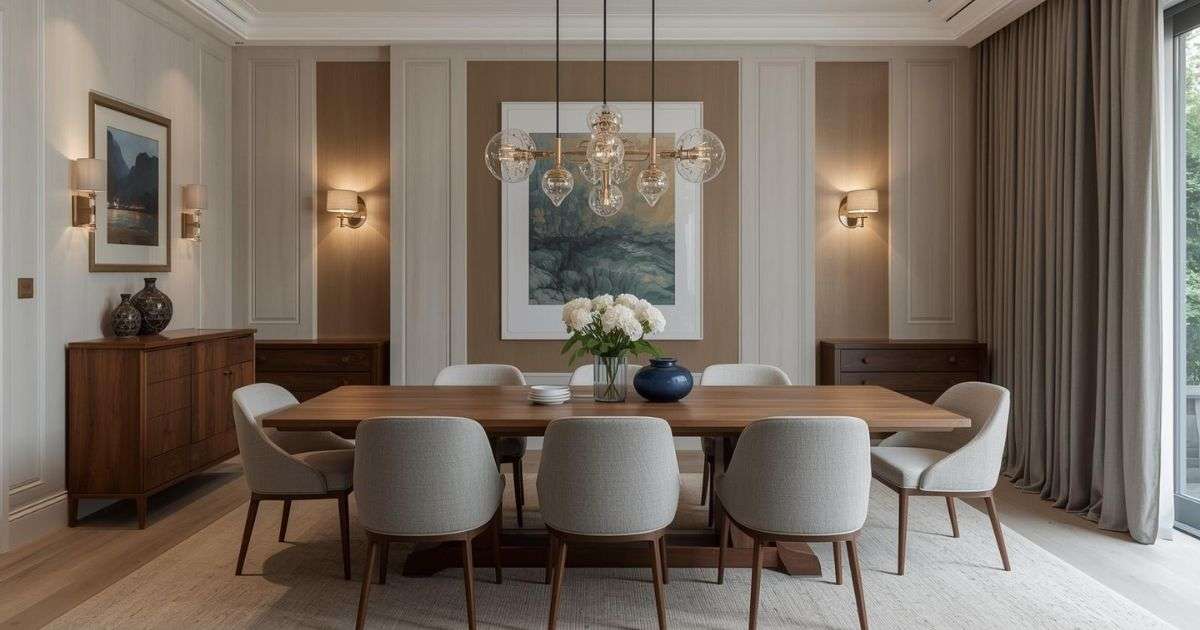
Well-selected dining tables and seating can bring both practicality and personality to the room. A solid timber table might provide a warm, timeless foundation, while upholstered chairs introduce softness. Alternatively, a simpler table paired with distinctive chairs can create an interesting contrast without making the space feel overly decorated.
Lighting helps establish the mood. A pendant light above the table can create a natural focal point, provided it hangs at a comfortable height and provides enough illumination. For evening meals, warmer lighting often feels more relaxed than harsh, overly bright light.
Finally, think about maintenance. A dining table used by a busy family needs a finish that can handle spills, regular cleaning, and the occasional accidental scratch. Good design should make gathering easier, not turn every meal into a preservation exercise.
Turn the Bedroom Into a Place to Unwind
Bedrooms serve a different purpose from most other rooms. They should support rest, provide useful storage, and offer a sense of privacy. A visually appealing bedroom can still feel uncomfortable if the bed dominates the room or there is nowhere convenient to keep everyday belongings.
Begin with the bed’s position. Ideally, it should allow easy access from the sides where possible and leave enough space for wardrobes, drawers, and doors to open. In smaller rooms, a carefully chosen bed frame and compact bedside tables can make the layout feel less crowded.
The mattress is one of the most important purchases in the room. Comfort is personal, so consider sleeping position, support preferences, and the materials used. Whenever possible, test the mattress and review its care requirements rather than selecting it solely because of its appearance or price.
Thoughtful beds and bedroom furnishings should also address storage. Under-bed drawers, built-in wardrobes, and bedside cabinets can reduce clutter while keeping essential items within reach. A bedroom doesn’t need to be minimalist, but it should be easy to keep orderly.
Textiles help create a restful atmosphere. Layered bedding, curtains, rugs, and cushions introduce softness, while a restrained color palette can make the space feel calmer. That doesn’t mean every bedroom must be pale or neutral. Deep greens, muted blues, and warmer earthy tones can work beautifully when balanced with suitable lighting.
Avoid overcrowding the room with decorative furniture that serves little purpose. A clear path around the bed and an uncluttered bedside surface can contribute more to comfort than another accent table or ornament.
Use Materials That Suit Your Lifestyle
Furniture materials influence appearance, durability, and maintenance. Solid wood offers natural character, engineered wood can provide a practical option at different price points, and metal frames may suit contemporary or industrial-inspired interiors. Upholstered pieces bring softness, but their performance depends on the fabric, construction, and intended use.
Think about the realities of your household. A delicate finish may be difficult to maintain in a home with young children, while a light-colored sofa may require more frequent cleaning in a busy living area. These considerations don’t mean avoiding beautiful materials; they simply help you choose them intelligently.
Before purchasing, inspect the finish, joints, hardware, and overall stability. For larger investments, ask about warranties, replacement parts, and recommended care. Furniture that lasts well often proves more economical than inexpensive pieces that need frequent replacement.
Create a Consistent Look Without Matching Everything
A home can feel cohesive without having identical furniture in every room. Repeating selected materials, colors, or shapes creates a visual connection while allowing each space to have its own personality.
For example, timber details might appear in the dining table, bedroom furniture, and living room shelving. A similar metal finish across lamps and cabinet handles can link separate areas without becoming obvious. Textiles can introduce variation while maintaining a common color story.
Personal objects make the design feel complete. Artwork, books, inherited pieces, and handmade accessories can soften the appearance of new furniture and give the home a more individual character. Leave enough space for these items to be appreciated rather than filling every available surface.
Make Furniture Choices That Last
Furnishing a home is rarely a one-time task. Needs change, routines evolve, and sometimes a room simply doesn’t work as expected once you’ve lived with it for a while. There’s nothing wrong with making adjustments gradually.
Set a realistic budget, prioritize the pieces used most often, and leave room for unexpected expenses. Invest where comfort and durability matter most, then add smaller decorative elements as the home develops.
Ultimately, the best furniture choices are the ones that make everyday life easier while helping a space feel personal. When comfort, practical planning, and thoughtful design come together, a room becomes more than a collection of objects. It becomes a place where people can gather, rest, and enjoy the ordinary moments that make a house feel like home.


