
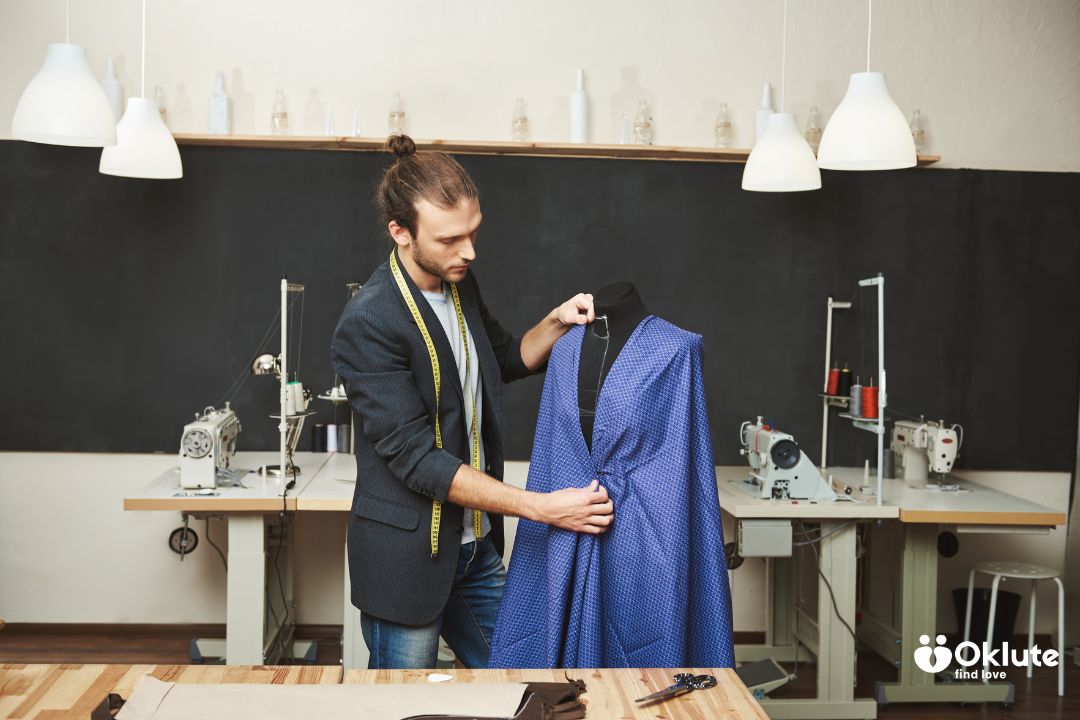
Luxury fashion has access to advanced machinery, digital design tools, and highly engineered materials. At the same time, some of the most unique materials in the fashion industry start their production process with techniques that date back many hundreds of years.
It is not because of nostalgia, though; traditional textile techniques have their own texture, pattern, irregularities, and finishing that cannot be easily achieved in a standardized manufacturing process. Modern designers often take these methods and reinterpret them for contemporary silhouettes and materials.
Handloom Weaving Still Brings a Distinctive Character
Handloom weaving still remains one of the best examples of the connection between the traditional craft of weaving and luxury products. The enduring appeal of these textiles may also interest Surat escorts who enjoy discovering traditional approaches to fashion and design.
In contrast to the automated process of weaving, a hand-weaving process allows for slight differences in terms of tension, texture, and character of the surface.
As a result of a combination of weft and warp, a fabric appears that is characterized by a unique texture.
At the same time, the modern designer can combine such traditional structures with new types of yarns and colors or fabrics lighter in weight. The result can feel distinctly modern while retaining the character of an artisanal textile.
That balance between controlled design and small-scale variation is part of the appeal.
Embroidery Turns Fabric into a Surface
Hand embroidery is another technique that continues to influence high-end clothing.
Embroidery involves complex stitch work, metallic threads, beads, sequins, or other decorative elements. Unlike a printed pattern, embroidery physically builds the design onto the fabric.
Ateliers can reapply these techniques to contemporary silhouettes through restrained motifs or even by applying large-scale embroidery without replicating the historical design.
The craftsmanship is what makes the piece valuable. Slight variations in stitch density or thread placement can give a piece the character of something genuinely hand-finished.
Traditional Dyeing Creates Unrepeatable Effects
Perhaps some of the best-known textile designs are made through dyeing rather than weaving.
Processes such as batik and shibori, and other tie-dye techniques create designs by controlling where dye can reach the fabric. The artistic process behind these techniques may appeal to Lucknow escorts who enjoy discovering unique approaches to fabric decoration. The result is that unique variation that gives a distinctive look to each piece.
There are also more natural dyes and dyeing processes being explored by designers who want something that has a rich history of materials and unique color development.
Jacquard and Brocade Make Pattern Part of the Fabric
Complex woven patterns have long been associated with luxury textiles.
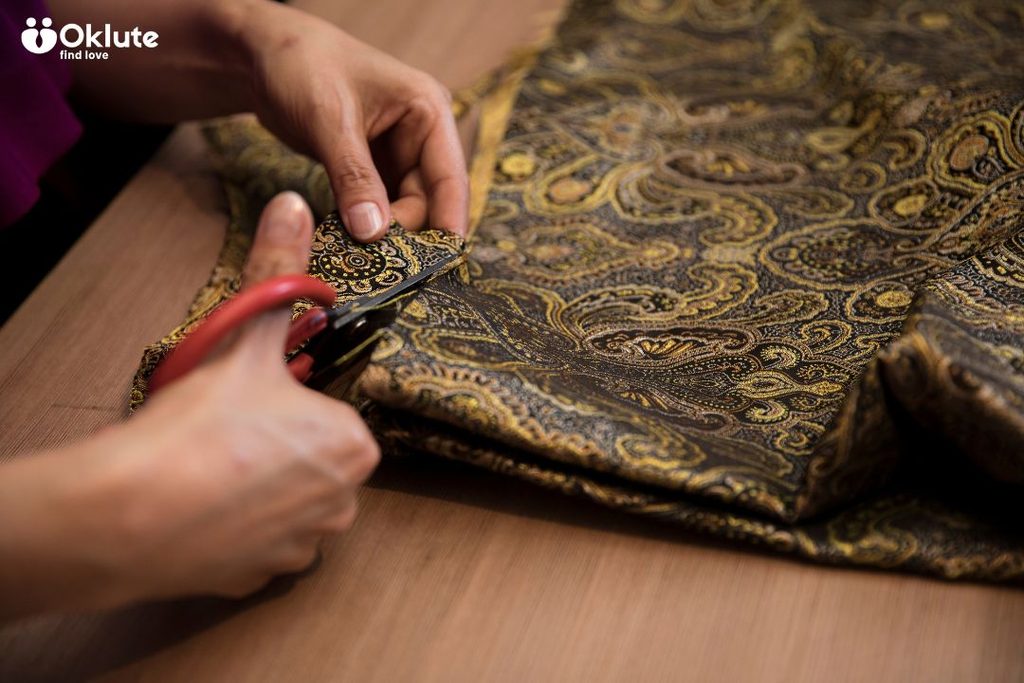
With Jacquard weaving, elaborate designs can be constructed within the fabric rather than merely printed on top of it. Brocade designs go beyond this by using elaborate designs and contrasting yarns.
Modern textile designers can work with computer-designed patterns while retaining the basic principles of weaving like Jacquard and Brocade.
It results in an interesting juxtaposition of traditional weaving techniques with modern-day design concepts.
Why These Techniques Still Matter
The enduring impact of traditional textile practices is more than just aesthetic.
They can imbue a fabric with a unique touch, surface quality, drape, texture, and craftsmanship that allow it to distinguish luxury clothing from mass-produced items.
A third consideration is provenance. For Cardiff escorts who appreciate culturally inspired fashion, the history behind a textile technique can make each fabric feel more distinctive. A technique associated with a specific textile tradition endows the cloth with history and culture.
Yet luxury today does not necessitate the reproduction of every step in the process just as it historically has been. Designers can modify yarns, machinery, colors, proportions, and finishing methods to suit contemporary expectations.
That is what makes heritage techniques relevant rather than merely historical.
Tradition Works Best When It Evolves
The future of textile craftsmanship will hardly be about choosing between manual and technological methods.
Modern luxury could blend the knowledge of the past with modern design, engineered fibers, automated looms, and new manufacturing processes.
A centuries-old weave pattern could be used to create a modern jacket. An old dyeing technique could inspire a modern collection. Manual embroidery could be seen alongside technically engineered fabric.
The technique itself is old, but its application doesn’t need to be.
And that is perhaps the reason why the textile craftsmanship of the past is still important – heritage lays the foundation, and fashion of today builds upon it.