
There’s a funny thing about home appliances: we don’t really notice them… until they stop working. The refrigerator humming in the corner, the washing machine that faithfully spins through weekly laundry, the oven that helps you pull together dinner on busy evenings — they quietly become part of everyday life.
And yet, when one of them suddenly breaks down, it feels oddly disruptive. You realize just how much you rely on these machines. The truth is, taking care of them isn’t complicated, but it does require a bit of awareness and, sometimes, a shift in how we approach maintenance and upgrades.
Let’s talk about the small habits, thoughtful choices, and occasional expert recommendations that can make a surprising difference in how well your appliances serve you over the years.
Why Appliances Fail Earlier Than They Should
Most appliances are designed to last several years — sometimes more than a decade. But in many homes, they begin to struggle much sooner. Why does that happen?
Often, the issue isn’t poor manufacturing. It’s everyday use.
Overloading a washing machine, ignoring strange sounds coming from the dishwasher, skipping regular cleaning of filters — these things seem minor at the time. Life is busy, after all. But over time, those little oversights accumulate.
Take refrigerators, for example. Dust buildup on condenser coils can force the system to work harder than necessary. That extra strain quietly chips away at efficiency and eventually leads to bigger mechanical issues.
In many cases, appliances don’t fail suddenly. They simply wear down faster than they should.
Small Maintenance Habits That Go a Long Way
Maintaining appliances doesn’t require a technical background or hours of work. In fact, a few small habits can dramatically improve performance.
Start with cleaning.
It sounds obvious, but it’s surprisingly easy to overlook. Filters, vents, and seals collect dust, lint, and residue over time. A clogged dryer vent, for instance, not only reduces efficiency but can also become a safety concern.
Another helpful habit is simply paying attention.
If a dishwasher starts leaving residue on dishes or your washing machine becomes unusually loud, it’s usually a signal that something needs attention. Catching these warning signs early often prevents expensive repairs later.
Think of it like routine care for a car. You wouldn’t skip oil changes for years and expect everything to run smoothly. Appliances deserve the same basic attention.
Choosing Quality Over Convenience
When it’s time to replace an appliance, the temptation is often to go for the cheapest or quickest option available. After all, appliances can be expensive, and the differences between models may seem small at first glance.
But quality matters — sometimes more than people expect.
Higher-quality machines often come with better internal components, improved energy efficiency, and stronger warranties. These details may not be obvious when browsing online listings or standing in a showroom, but they can influence how long an appliance performs reliably.
This is where thoughtful research becomes valuable. Reviews, product comparisons, and manufacturer reputations can reveal patterns about durability and service support.
Sometimes the slightly higher upfront investment saves both money and frustration down the road.
Understanding the Role of Technology
Modern appliances are smarter than ever. Wi-Fi connectivity, energy monitoring, automated diagnostics — features that once sounded futuristic are now common.
But not every smart feature is equally useful.
Some homeowners love the convenience of monitoring their oven or washing machine through a phone app. Others find those features unnecessary and prefer simpler machines that focus on reliability.
What matters most is choosing technology that actually fits your lifestyle. The newest model isn’t always the best option for everyone.
The real goal is making smart decisions that balance innovation with practicality.
Energy Efficiency and Long-Term Savings
Another factor people sometimes overlook when choosing appliances is energy efficiency.
Energy-efficient models may cost a little more initially, but they often reduce monthly electricity or water consumption. Over several years, those savings can add up significantly.
For example, modern dishwashers and washing machines are designed to use less water while still delivering strong cleaning performance. Refrigerators, too, have become dramatically more efficient compared to models from even a decade ago.
These improvements benefit both homeowners and the environment — a rare win-win situation.
Still, efficiency only helps when appliances are used properly. Running half-empty dishwashers repeatedly or using high heat settings unnecessarily can cancel out those benefits.
The Hidden Value of Regular Servicing
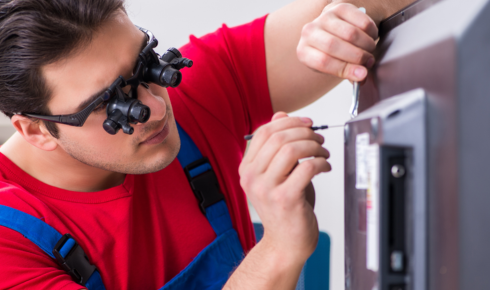
Not every appliance needs frequent professional servicing, but occasional inspections can be worthwhile, especially for more complex systems like HVAC units or high-end refrigerators.
Technicians can identify early signs of wear that might otherwise go unnoticed. A loose belt, aging gasket, or minor electrical issue may be inexpensive to fix now but costly later.
Regular servicing also contributes to appliance longevity, ensuring that systems continue operating safely and efficiently.
Think of it less as a repair and more as preventative care — the same principle that keeps cars and heating systems running smoothly year after year.
When Repair Is Better Than Replacement
In today’s fast-paced consumer culture, replacing broken items often feels easier than repairing them. But that isn’t always the best choice.
Many appliances can be repaired quickly and affordably, especially if the issue involves a single component rather than the entire system. Replacing a heating element, motor part, or electronic board may restore full functionality without the cost of buying a new unit.
Of course, there are cases where replacement makes more sense — particularly when repair costs approach the price of a new appliance or when efficiency improvements justify the upgrade.
The key is evaluating the situation thoughtfully rather than making a rushed decision.
A More Mindful Approach to Everyday Machines
Appliances may not be glamorous, but they play a quiet, essential role in daily life. They wash our clothes, keep food fresh, cook meals, and help maintain comfortable homes.
Treating them with a little care — and choosing them thoughtfully when replacements are needed — can make a noticeable difference.
A few minutes of maintenance here, a bit of research there, and the willingness to listen when something sounds off. These simple habits help appliances perform better, last longer, and avoid inconvenient breakdowns.
In the end, caring for appliances isn’t really about machines at all. It’s about creating a home that runs smoothly, efficiently, and with fewer unexpected surprises.