
There’s something oddly comforting about a glass of clean water. No smell, no aftertaste, no second thoughts. Just clarity. And yet, most of us don’t really think about it until something feels… off. Maybe it’s a faint metallic taste, cloudy appearance, or just that nagging doubt in the back of your mind—“Is this actually safe?”
That’s usually where the journey begins. Not with panic, but with curiosity. And often, that curiosity leads people toward understanding how much goes into making water truly clean.
Why “Clean” Isn’t Always What It Seems
We’ve grown up hearing that tap water is treated, regulated, and safe. And yes, in many places, it is. But “safe” doesn’t always mean “ideal.” There’s a subtle difference there that often gets overlooked.
Municipal treatment systems are designed to remove harmful contaminants, but they don’t necessarily address everything—like dissolved minerals, residual chlorine, or emerging pollutants. That’s where things get a bit complicated. You might be drinking water that passes safety standards but still carries elements that affect taste, odor, or even long-term health.
It’s not about fear, really. It’s about awareness.
The Rise of Personalized Water Solutions
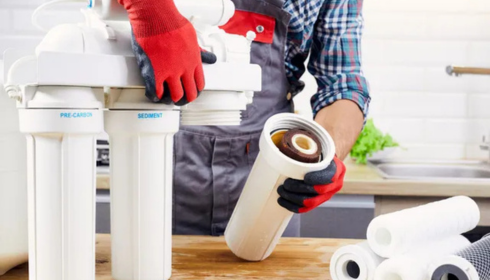
In recent years, more homeowners have started looking beyond basic filtration pitchers or generic filters. They’re turning toward water purification experts who can actually test, analyze, and recommend solutions based on specific water conditions.
Because here’s the thing—water quality isn’t universal. What works in one city might not work in another. Even two homes on the same street can have slightly different water profiles depending on plumbing, storage tanks, or local infrastructure.
That’s why customization matters. It’s not just about installing a system; it’s about understanding the problem first.
When Technology Steps In Quietly
You don’t always see it, but modern filtration systems have come a long way. Gone are the days of bulky, complicated setups that needed constant attention. Today’s systems are smarter, more efficient, and surprisingly discreet.
With advanced filtration technology, it’s possible to target specific contaminants—whether it’s heavy metals, bacteria, or excess hardness—without stripping away beneficial minerals entirely. Some systems even adjust automatically based on usage patterns or water quality changes. It’s a bit like having a silent guardian working behind the scenes.
And honestly, once you get used to it, it’s hard to go back.
Taste, Trust, and the Small Everyday Moments
It’s funny how something as simple as water can affect so many parts of daily life. Morning tea tastes better. Cooking feels cleaner. Even washing fruits and vegetables carries a bit more confidence.
That’s the real shift—not just in quality, but in trust.
When you know you have access to pure drinking water, you stop second-guessing. You don’t hesitate before filling a glass for your kids or offering it to guests. It becomes one less thing to worry about in a world already full of decisions.
And maybe that’s the biggest benefit of all.
Not Just for Homes Anymore
Interestingly, this shift isn’t limited to households. Offices, cafés, and small businesses are also starting to pay closer attention to water quality. It’s no longer just about compliance; it’s about experience.
Think about it—if you walk into a café and the coffee tastes slightly off, chances are it’s not the beans. Water plays a huge role there. The same goes for restaurants, gyms, even salons.
Clean water has quietly become part of the overall impression a place leaves on you.
The Cost Question (And the Real Value)
Of course, there’s always that practical question—“Is it worth the investment?”
And the answer isn’t always straightforward. It depends on your priorities, your current water quality, and how much value you place on long-term benefits.
But if you look at it from a broader perspective, it’s not just about the system itself. It’s about reducing dependency on bottled water, minimizing maintenance issues caused by hard water, and, perhaps most importantly, gaining peace of mind.
Sometimes, the value isn’t in what you see—it’s in what you no longer have to worry about.
A Subtle Shift That Stays With You
What’s interesting is how quickly clean water becomes the new normal. At first, you notice the difference—the taste, the clarity, the absence of that slight chemical edge. But over time, it just becomes… expected.
And then, when you travel or visit a place with lower water quality, it hits you again. That contrast. That reminder of what you’ve gotten used to.
It’s a small upgrade, sure. But one that quietly improves everyday life in ways you don’t always measure.
Final Thoughts, Without Overthinking It
At the end of the day, water isn’t something we should have to think too hard about. It’s basic, essential, almost invisible in how it supports everything else we do.
But maybe that’s exactly why it deserves a bit more attention.
Not in a dramatic way. Just enough to ask the right questions, explore better options, and make choices that feel right for your space, your family, your routine.