
There’s something quietly reassuring about walking into a building where everything simply works. Lights switch on without flickering. Air conditioning hums gently in the background. Computers, security systems, elevators — all running as they should. Most of us rarely stop to think about what makes that possible. Yet behind that everyday convenience sits an intricate electrical system built with precision, planning, and a lot of expertise.
Electricity is the invisible backbone of modern infrastructure. From offices and hospitals to shopping centres and warehouses, businesses rely on safe, efficient electrical systems to keep their operations moving. When those systems are designed or maintained poorly, the consequences can range from frustrating outages to serious safety hazards.
That’s where commercial electrical services come into play — a specialised field that blends engineering knowledge, safety regulations, and practical craftsmanship to keep commercial environments functioning smoothly.
The Complexity Behind Modern Electrical Systems
At first glance, electricity seems simple: power flows, lights turn on. But commercial electrical systems are anything but simple. Compared to residential wiring, commercial setups involve far greater loads, more complicated distribution networks, backup systems, and often multiple layers of safety controls.
Think about a typical office building. Beyond lighting and outlets, the electrical system might support data centers, server racks, security cameras, automated doors, HVAC units, elevators, and emergency lighting systems. Each component requires careful planning so that the entire network operates efficiently without overload or risk.
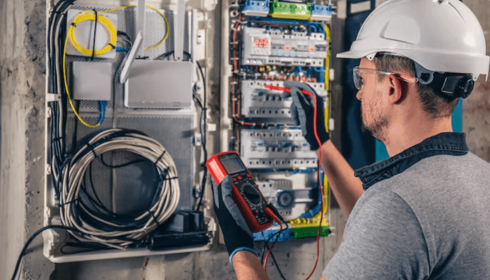
Professional electricians working in commercial environments don’t just install wires and switches. They study building plans, calculate load requirements, design power distribution systems, and ensure everything meets strict safety codes. The margin for error is incredibly small.
In fact, one misplaced connection or an overloaded circuit can bring an entire operation to a halt. That’s why experienced electrical professionals spend years learning not only the practical work but also the regulations and engineering principles behind it.
Electrical Work During Construction Projects
Electrical systems begin long before a building opens its doors. During construction, electricians collaborate closely with architects, engineers, and project managers to design infrastructure that will support the building for decades.
This phase — often referred to as electrical construction — involves mapping out power distribution, installing conduit systems, routing cables through walls and ceilings, and preparing spaces for future equipment installations.
Timing becomes critical. Electrical work must align perfectly with other construction phases such as plumbing, structural framing, and interior finishing. If electrical installations fall behind schedule or are done incorrectly, the entire project timeline can suffer.
Good electrical contractors approach construction with both technical knowledge and strategic planning. They anticipate future expansion, energy efficiency needs, and potential upgrades so the building remains adaptable over time.
In many ways, electrical construction is like building the nervous system of a structure. Once walls are closed and floors finished, changing those systems becomes far more difficult.
When Older Systems Need a Second Life
Not every building is brand new. In fact, many businesses operate in older properties where electrical systems were designed decades ago. Back then, no one could have predicted the sheer number of devices modern businesses would rely on.
Computers, digital displays, charging stations, cloud-based infrastructure — all these technologies demand far more electrical capacity than buildings were originally designed to handle.
That’s where system remodeling becomes essential.
Upgrading electrical systems isn’t just about replacing old wiring. It often involves rebalancing electrical loads, upgrading panels, integrating energy-efficient lighting, and ensuring the system complies with modern safety standards.
Businesses sometimes hesitate to undertake remodeling projects because they worry about disruptions. But in reality, delaying upgrades can lead to higher costs down the road — frequent outages, equipment damage, or even safety violations.
Smart remodeling focuses on improving efficiency while minimizing downtime. Skilled electricians can phase upgrades in stages, allowing businesses to continue operating while infrastructure improves quietly behind the scenes.
Safety Is Always the Priority
Electricity is powerful — and potentially dangerous when handled incorrectly. Faulty wiring remains one of the leading causes of commercial building fires worldwide. Overloaded circuits, outdated panels, and improper grounding can all create hidden risks that go unnoticed until something goes wrong.
Professional electricians approach every job with safety as the first priority. That includes installing protective devices such as circuit breakers, grounding systems, surge protection, and emergency power solutions.
Regular inspections are equally important. Even well-designed systems need periodic evaluation to ensure they continue operating safely under changing conditions.
Many companies now conduct preventative electrical maintenance, which may include thermal imaging inspections, load analysis, and routine equipment testing. These proactive steps help identify problems before they escalate.
Energy Efficiency and the Modern Workplace
Another major shift in commercial electrical work is the growing emphasis on energy efficiency. Businesses today are far more aware of their energy consumption, both for environmental reasons and cost control.
Lighting upgrades, smart control systems, and energy monitoring technologies can dramatically reduce electricity use. Motion sensors, programmable lighting schedules, and advanced HVAC integration allow buildings to operate more intelligently.
Electrical professionals now play an important role in helping businesses design energy-efficient environments. Sometimes a small change — switching to LED systems or optimizing load distribution — can reduce operating costs significantly.
And when energy savings accumulate month after month, those upgrades start paying for themselves.
Choosing the Right Electrical Partner
Electrical infrastructure is not something businesses should treat as an afterthought. Whether constructing a new facility, upgrading an existing one, or maintaining daily operations, skilled electricians are essential partners in keeping everything running smoothly.
The best electrical professionals bring more than technical ability. They offer strategic insight, long-term planning, and a deep understanding of safety standards.
Buildings evolve. Businesses grow. Technology changes constantly.
But when electrical systems are designed thoughtfully and maintained carefully, they support that evolution rather than holding it back.
And perhaps that’s the real magic of good electrical work. When everything is done right, you barely notice it — the lights glow steadily, machines hum along, and the building simply works. Quietly, reliably, exactly as it should.