
The Moment You Start Wondering About Your Water
It usually doesn’t happen dramatically. There’s no sudden alarm bell or shocking discovery. Instead, it’s something small — like noticing your tap water tastes slightly different when you visit another city, or realizing your morning tea just doesn’t have the same smoothness it once did.
Most of us grow up trusting that water is simply… water. Clear, safe, and dependable. But over time, curiosity begins to creep in. What actually happens between the source and the glass? And why do some homes have water that feels noticeably cleaner or fresher?
These questions often lead people to explore filtration systems, especially those designed to improve water quality at a deeper level.
Why Water Isn’t Always as Pure as It Looks
Water’s journey to your home is long and complicated. It travels through natural landscapes, treatment plants, miles of pipes, and sometimes aging infrastructure before reaching your tap.
Along the way, it can pick up minerals, chemical residues, and microscopic particles. Even though municipal treatment processes remove harmful bacteria and ensure safety standards, some dissolved substances remain.
These substances aren’t necessarily dangerous, but they can influence taste, odor, and overall water quality.
For homeowners seeking greater control, advanced filtration systems offer a way to refine water beyond standard treatment levels.
Understanding the Science Behind Reverse Osmosis
Among modern filtration technologies, reverse osmosis stands out for its effectiveness and precision.
At its core, the process may sound technical, but the idea is simple. Water is pushed through an ultra-fine membrane that allows only pure water molecules to pass while blocking larger impurities.
Learning the reverse osmosis basics helps demystify how these systems work. The process removes many dissolved solids, chemical contaminants, and microscopic particles that traditional filters cannot address.
As a result, water becomes cleaner not just in appearance but also at a molecular level.
For many homeowners, the first noticeable change is taste — water feels smoother, lighter, and more refreshing.
The Role of Molecular Filtration in Modern Systems
What makes reverse osmosis unique is its reliance on molecular filtration.
Unlike standard filters that trap visible particles, molecular filtration targets substances so small they cannot be seen even under a microscope.
This includes dissolved salts, heavy metals, and certain chemical compounds.
By separating water molecules from these impurities, reverse osmosis systems achieve an exceptionally high level of purification.
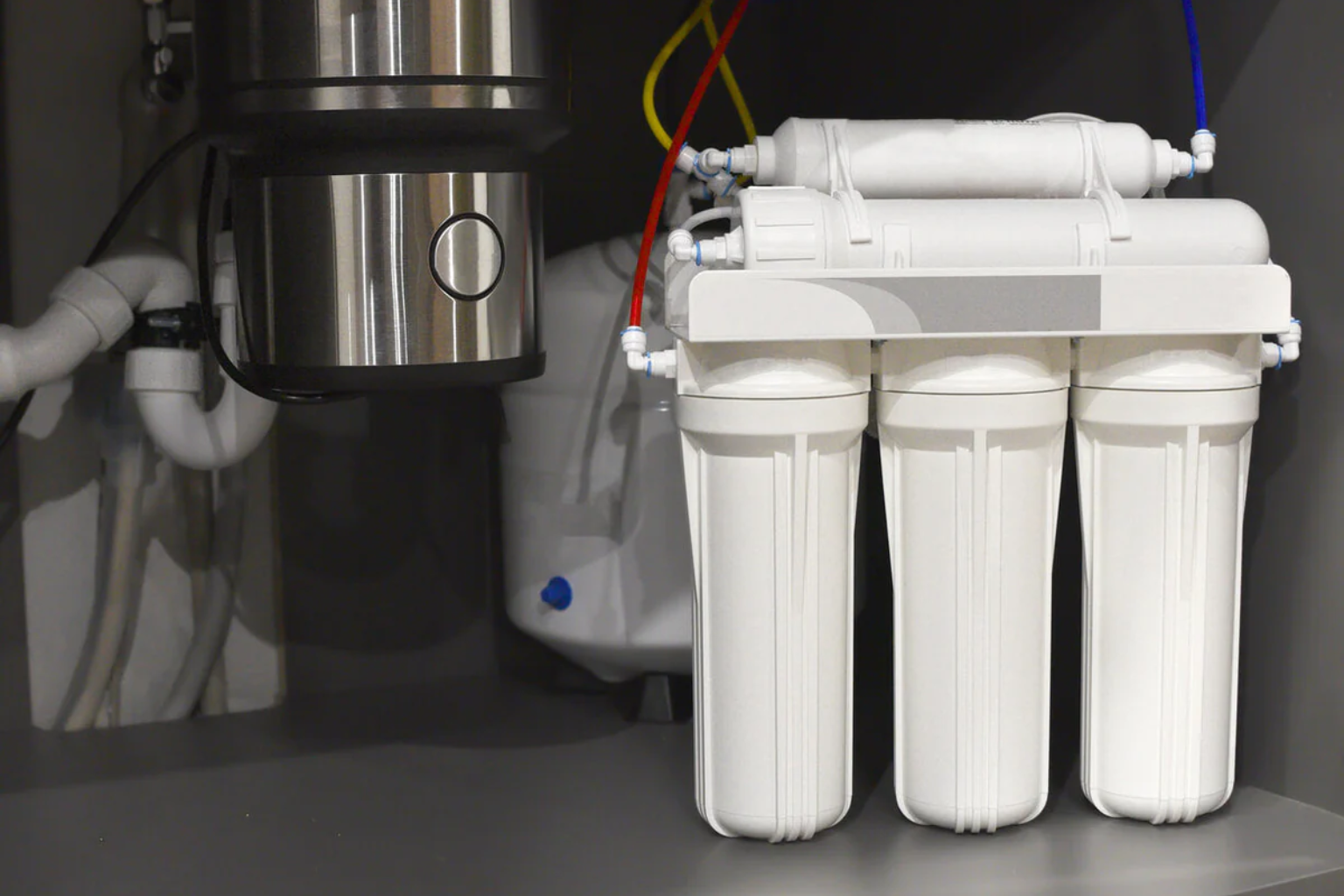
The process happens quietly and continuously, often hidden beneath kitchen sinks or inside compact filtration units.
It’s one of those technologies that works silently in the background, yet makes a noticeable difference in daily life.
How Filtration Improves Everyday Experiences
The benefits of advanced filtration extend far beyond drinking water.
Filtered water can enhance the flavor of coffee, tea, and cooking ingredients. Appliances such as kettles and dishwashers often last longer because mineral buildup is reduced.
Even simple activities like making ice cubes or washing fruits become more satisfying when water quality improves.
These small changes accumulate, creating a more comfortable and efficient household environment.
For many families, achieving pure drinking water becomes a meaningful step toward healthier daily habits.
Choosing the Right Filtration System
Selecting a filtration system depends on several factors, including local water quality, household size, and maintenance preferences.
Water testing is usually the first step. This helps identify specific concerns such as high mineral content, chlorine presence, or dissolved contaminants.
From there, homeowners can evaluate system capacity, installation requirements, and ongoing maintenance needs.
Professional guidance can also help ensure that chosen systems are compatible with existing plumbing infrastructure.
Making informed decisions helps maximize both performance and long-term value.
The Importance of Regular Maintenance
Even advanced filtration systems require consistent upkeep to maintain effectiveness.
Filters must be replaced periodically, and system components should be inspected to ensure optimal performance.
Neglecting maintenance can reduce filtration efficiency and allow impurities to return over time.
Fortunately, many modern systems include automated indicators that simplify maintenance scheduling.
With proper care, filtration systems can provide reliable water quality for years.
Looking Toward the Future of Water Filtration
Water purification technology continues to evolve rapidly.
New materials are improving filtration efficiency while reducing environmental impact. Smart monitoring systems now allow homeowners to track water quality and system performance through mobile applications.
There’s also growing emphasis on sustainability, with systems designed to minimize water waste and energy consumption.
These advancements promise to make high-quality drinking water more accessible and convenient in the years ahead.
A Small Change That Brings Daily Confidence
Water is one of life’s simplest necessities, yet its quality quietly influences countless aspects of daily living.
From improving taste and supporting healthier hydration habits to protecting appliances and simplifying household routines, modern filtration systems offer practical benefits that extend far beyond basic purification.