
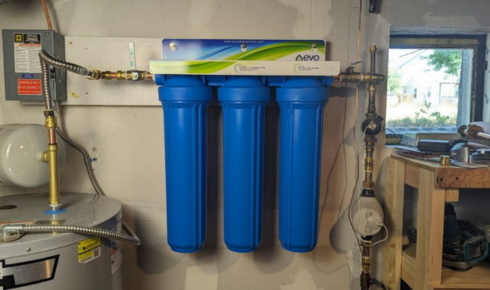
Water is one of those things we rarely question. It flows, we use it, and life moves on. You fill a glass, boil pasta, rinse your hair in the shower. Most days, it feels automatic — almost invisible.
But every now and then, something shifts. Maybe the water smells faintly of chlorine. Maybe your dishes come out of the dishwasher with spots. Or maybe you just start wondering, in a quiet moment, what’s actually in the water you drink every single day.
That curiosity isn’t paranoia. It’s awareness. And awareness is usually where smarter home decisions begin.
The Small Signs That Matter
You don’t need a dramatic water crisis to start paying attention. Most water concerns show up subtly.
Hard water might leave scale around faucets. Slightly acidic water could affect plumbing over time. Chlorine might change the taste of your morning coffee. None of these are necessarily dangerous, but they shape your daily experience more than you realize.
This is where reading a thoughtful water quality blog can make a difference. Not the kind filled with scare tactics, but the kind that breaks things down clearly. What does pH mean? Why does hardness matter? When should you test your water?
The more you understand, the less mysterious it feels.
Knowledge has a calming effect. It turns vague concerns into manageable steps.
Water Isn’t the Same Everywhere
One of the most important things homeowners learn is that water varies by location.
Municipal water systems treat and disinfect water before it reaches homes, but it still travels through miles of pipes. Along the way, mineral content, pipe age, and seasonal factors can influence the final product.
Well water is even more variable. Iron, sulfur, tannins — these aren’t rare, especially in rural areas.
That’s why general advice only goes so far. What works perfectly for one household may not apply to another.
Testing is often the best starting point. A simple analysis reveals hardness levels, mineral presence, and potential contaminants. From there, decisions become grounded in facts rather than assumptions.
Practical Steps You Can Take Today
You don’t need to overhaul your plumbing overnight. In many cases, small adjustments create noticeable improvements.
Simple water treatment tips can go a long way. Replace filter cartridges on schedule. Clean faucet aerators to maintain water flow. Flush water heaters periodically to reduce sediment buildup.
If hardness is high, a softener may reduce scale. If chlorine taste bothers you, carbon filtration might help. Each solution addresses a specific issue rather than trying to “fix everything.”
The key is balance. Not every home needs an elaborate multi-stage system. Sometimes a single targeted change makes life easier.
Why Filtration Education Matters
There’s a lot of marketing in the water treatment world. Big claims. Bold promises. But not every system is necessary for every home.
That’s where thoughtful filtration education becomes valuable. Understanding how carbon filters work versus reverse osmosis systems helps you choose wisely. Knowing the difference between sediment filtration and softening prevents unnecessary purchases.
When you know what a product actually does — and doesn’t do — you’re less likely to overspend or install something that solves the wrong problem.
It’s similar to buying a car. You wouldn’t choose one based solely on the loudest advertisement. You’d research. Compare. Think about your needs.
Water deserves the same attention.
The Everyday Benefits You’ll Notice
When water quality improves, the changes aren’t flashy. They’re subtle.
Coffee tastes cleaner. Showers feel smoother. Glassware dries without spots. Appliances run more efficiently because they’re not coated in mineral buildup.
And perhaps most importantly, you stop thinking about the water.
That’s the real sign of success. When the system behind your tap works quietly and consistently, it fades into the background.
You’re no longer scrubbing stubborn residue every weekend. You’re not buying cases of bottled water because you dislike the taste. Life just feels… smoother.
Avoiding the Extremes
It’s easy to swing to extremes when it comes to water. Either ignore it completely or obsess over every detail.
The healthiest approach sits somewhere in between.
Stay informed, but don’t panic. Test periodically. Maintain equipment consistently. Make adjustments when there’s a clear reason to do so.
Water quality isn’t static. It can shift with seasons, infrastructure updates, or household changes. But staying engaged — even lightly — keeps surprises to a minimum.
A Final Thought on Everyday Awareness
We spend time choosing paint colors, upgrading appliances, and organizing closets. Yet water, something we use dozens of times daily, often gets overlooked.
Learning about your water isn’t about fear. It’s about empowerment.
When you understand the basics — what hardness means, how filtration works, why maintenance matters — you make better decisions for your home and family.
And those decisions don’t have to be dramatic. Sometimes they’re as simple as replacing a filter on time or running a cleaning cycle on your water heater.