
There’s a strange truth about modern homes—we rely on systems we barely think about.
Water flows when we need it. Gas fuels our stoves and heaters. Waste disappears down drains without a second thought. It all feels seamless, almost invisible.
Until something goes wrong.
And when it does, it tends to pull your attention in fast.
Because these hidden systems? They’re not just conveniences. They’re essential to how your home functions, how it feels, even how safe it is.
When Plumbing Stops Being “Out of Sight, Out of Mind”
Let’s start with something most people have experienced—a slow drain.
At first, it’s easy to ignore. Maybe you run some cleaner through it, give it a quick rinse, and move on. But sometimes, that sluggish drain is just the surface of a deeper issue.
Cracks in pipes. Root intrusion. Blockages forming where you can’t see them.
And that’s when sewer line repair becomes more than just a maintenance task—it becomes a necessity.
Because once a sewer line starts failing, it doesn’t fix itself. It escalates. What begins as a minor inconvenience can turn into backups, unpleasant odors, or even structural concerns.
And the tricky part? By the time it’s obvious, the problem has often been there for a while.
The Invisible Risk You Can’t Afford to Ignore
If plumbing issues are inconvenient, gas-related problems are something else entirely.
They carry a level of risk that’s easy to underestimate—mostly because they’re not always visible.
A small leak doesn’t announce itself loudly. There’s no obvious break, no clear sign. Maybe just a faint smell, something you can’t quite place. Maybe nothing at all.
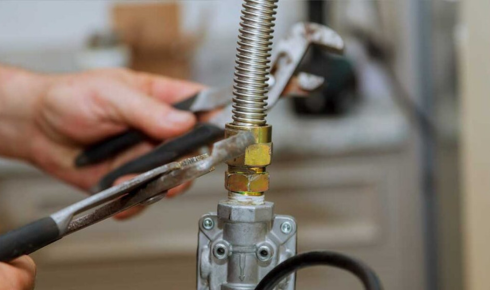
That’s why gas line leak detection is so critical.
It’s not just about fixing a leak—it’s about identifying something that could otherwise go unnoticed. And when it comes to gas, early detection isn’t just helpful—it’s essential.
Because the consequences of ignoring it can be serious.
The Balance Between Comfort and Safety
What’s interesting is how these systems—plumbing and gas—serve two different but equally important roles.
Plumbing supports comfort. It keeps your home running smoothly, makes daily routines easier.
Gas systems, on the other hand, support both comfort and safety. They power appliances, provide heat, but they also require careful handling and awareness.
And maintaining that balance is key.
It’s not about being overly cautious—it’s about being informed.
That’s where gas pipeline safety comes into the picture.
It’s a mindset as much as it is a set of practices. Regular inspections. Awareness of warning signs. Knowing when to call in professionals.
Because safety isn’t something you notice when everything is fine. It’s something you appreciate when you realize what could’ve gone wrong.
Listening to What Your Home Is Telling You
Homes have a way of communicating, even if it’s subtle.
A drain that gurgles. A smell that lingers. A slight drop in water pressure. These aren’t random occurrences—they’re signals.
And while it’s easy to dismiss them, they often point to underlying issues.
The challenge is knowing when to pay attention—and when to act.
Because waiting too long can turn a manageable problem into something far more complicated.
The Cost of Delaying Action
Let’s be honest—most of us delay dealing with home issues.
It’s not that we don’t care. It’s just that life gets busy. And as long as things are “working enough,” it feels easier to put it off.
But with systems like plumbing and gas, delay comes with a cost.
Not always immediate, but inevitable.
Higher repair bills. Increased risk. Greater disruption when things finally reach a breaking point.
And often, those moments come at the worst possible time.
Why Professional Insight Matters
There’s a certain point where guesswork isn’t enough.
You might suspect something’s wrong. You might even try a few fixes. But without proper insight, it’s hard to know what’s really going on.
That’s where professional help becomes invaluable.
Not just for fixing issues, but for understanding them.
A trained eye can spot things you’d never notice. Identify risks before they become problems. Offer solutions that actually last.
And that kind of expertise brings a level of confidence that’s hard to replicate.
A More Thoughtful Way to Care for Your Home
There’s a shift happening in how people approach home maintenance.
Less reactive. More proactive.
Instead of waiting for things to break, there’s a growing emphasis on understanding systems, maintaining them, and making informed decisions.
And honestly, it makes life easier.
Because when your home is functioning well, everything else feels a little smoother.
When Everything Works the Way It Should
At the end of the day, what most people want is simple.
They want their home to feel safe. Comfortable. Reliable.
They want to turn on a tap without thinking about it. Use their appliances without worry. Go about their day without unexpected disruptions.
And when your plumbing and gas systems are in good shape, that’s exactly what you get.
No drama. No surprises.
Just a quiet, steady sense that everything is working the way it should.
The Value of Peace of Mind
Maybe that’s the real takeaway here.
Not just the importance of repairs or inspections, but the value of peace of mind.
Knowing that the systems beneath your home—the ones you rarely see—are functioning properly.
Because when those systems are taken care of, you don’t have to think about them.
And sometimes, that’s the best outcome of all.