Water quality is something most families take for granted until they notice a difference. Maybe the water tastes slightly salty, tea doesn’t taste quite right, or there’s uncertainty about what’s coming through the kitchen tap. These concerns aren’t unusual, especially in areas where water comes from borewells, mixed municipal supplies, or sources with varying mineral content.
Choosing a suitable filtration system can make everyday life easier, but it’s worth understanding how the technology works before making a purchase. Reverse osmosis, in particular, has become a popular option for households looking for a practical way to improve drinking water quality.
Why Drinking Water Quality Can Vary
Water travels through different sources and distribution systems before reaching your home. Along the way, its composition may be influenced by soil conditions, underground minerals, pipelines, storage tanks, and local treatment practices.
Some water supplies contain higher levels of dissolved salts, while others may have sediment, chlorine-related taste concerns, or specific contaminants that require targeted treatment. Even when water looks perfectly clear, it doesn’t necessarily mean every water quality concern has been addressed.
This is why testing your water can be helpful. A basic analysis provides a clearer understanding of what you’re dealing with and helps prevent the common mistake of buying a purifier simply because it’s popular or heavily advertised.
How Reverse Osmosis Filtration Works
Reverse osmosis uses pressure to move water through a semipermeable membrane. The membrane allows water molecules to pass through while reducing many dissolved substances and contaminants, depending on the system’s design and operating conditions.
The process is often combined with other filtration stages. Sediment filters remove suspended particles, carbon filters help reduce chlorine and certain organic compounds, and the RO membrane targets many dissolved contaminants. Some systems also include a final polishing filter to improve taste.
The growing interest in drinking water filtration with RO comes from its ability to address multiple water quality concerns within a single treatment setup. Still, RO isn’t automatically necessary for every household. If your source water has low dissolved solids and no significant contaminants requiring RO, a simpler filtration system may be sufficient.
Why Multi-Stage Filtration Makes a Difference
Different contaminants behave differently, so a single filter may not address every concern. That’s the basic idea behind multi-stage treatment.
Many multi-stage reverse osmosis systems combine several components that work together rather than relying on the membrane alone. The prefilters protect the RO membrane from sediment and chlorine exposure, while the membrane reduces many dissolved substances. Additional filters may improve the water’s taste or provide other treatment functions.
The number of stages, however, isn’t the most important measure of quality. A purifier advertised with seven or eight stages isn’t necessarily better than one with fewer, well-designed components. What matters is whether those stages have a clear purpose and whether the system has been tested for the contaminants you’re concerned about.
When comparing products, look for credible certifications, transparent specifications, membrane performance details, and realistic maintenance requirements.
Finding the Right RO System for Your Household
Household water consumption varies considerably. A couple living in a small apartment may need a different capacity than a family with several children who use filtered water throughout the day for drinking, cooking, and preparing beverages.
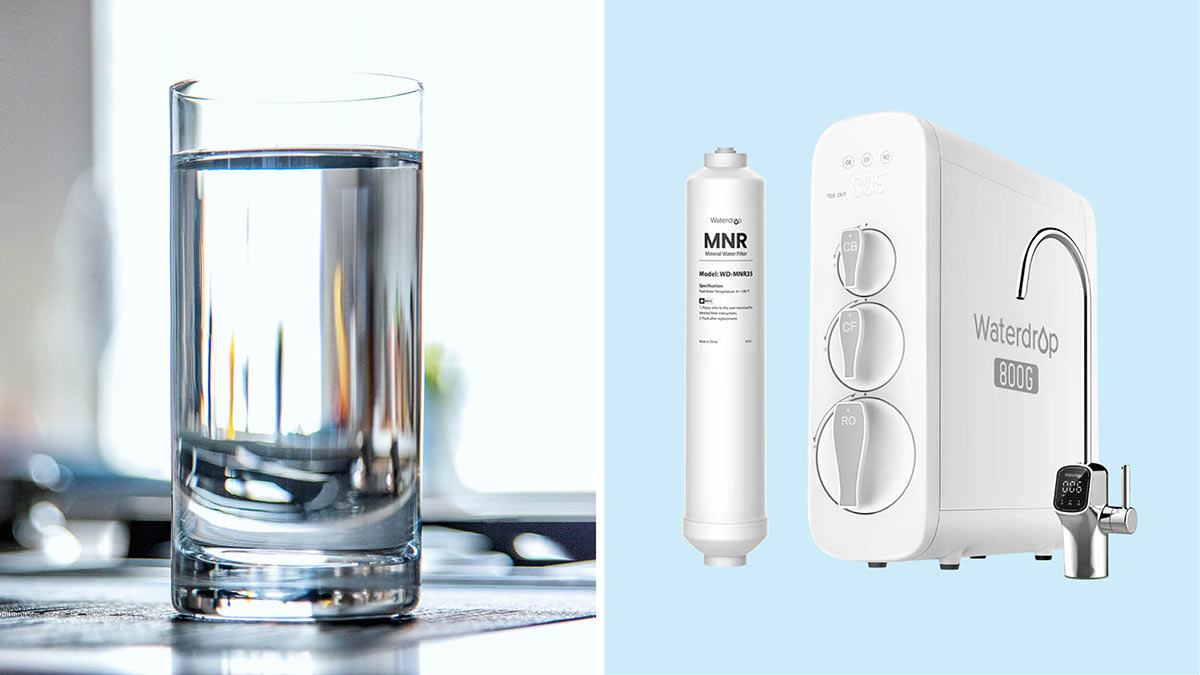
When shopping for reverse osmosis filters for home use, consider storage capacity, daily production rate, water pressure requirements, installation space, and the availability of replacement cartridges. These practical details can have a bigger impact on your experience than an attractive display or unnecessary features.
Under-sink systems are often a good choice because they keep the equipment out of sight while providing filtered water through a dedicated faucet. Countertop models may be more suitable for rented properties or kitchens where permanent plumbing changes aren’t possible.
It’s also worth checking whether the purifier needs electricity and how much wastewater it produces. RO filtration generates reject water, and the amount varies significantly between systems. Water efficiency is an important consideration, particularly in areas where supply is limited.
Taste, Cooking, and Everyday Convenience
One of the first changes people notice after installing a suitable purifier is the taste of drinking water. Water with unwanted odors or certain dissolved substances may become more pleasant after treatment, depending on the filtration stages.
Filtered water can also be used for making tea, coffee, soups, and other everyday dishes. Some people notice a difference in beverages because water quality influences flavor more than we tend to think.
However, taste alone shouldn’t be used to judge safety. Water that tastes good may still contain contaminants, and water with an unusual taste isn’t necessarily dangerous. Testing remains the more reliable approach.
Maintaining Your Water Purifier Properly
A filtration system needs regular maintenance to continue working as intended. Sediment and carbon cartridges must be replaced at recommended intervals, while RO membranes may last longer depending on incoming water quality and usage.
Neglecting filter changes can reduce flow, affect taste, and compromise performance. Storage tanks and connecting pipes also need appropriate cleaning and inspection.
Before buying a purifier, ask about replacement filter prices, service availability, warranty terms, and maintenance frequency. A system that’s easy to maintain is usually a better long-term choice than one with complicated servicing requirements.
Making a Better Choice for Your Home
Reverse osmosis can be a useful solution when your water quality genuinely calls for it. The key is choosing a system based on actual needs rather than assumptions.
Start with a water test, compare technologies, and pay attention to long-term costs. A properly selected and maintained purifier can make drinking water more convenient while helping address specific water quality concerns.
At the end of the day, good water treatment should feel simple. You shouldn’t have to think much about it once the system is installed and maintained properly. Having reliable drinking water available whenever you need it is a small comfort, but it’s one that becomes part of everyday life surprisingly quickly.