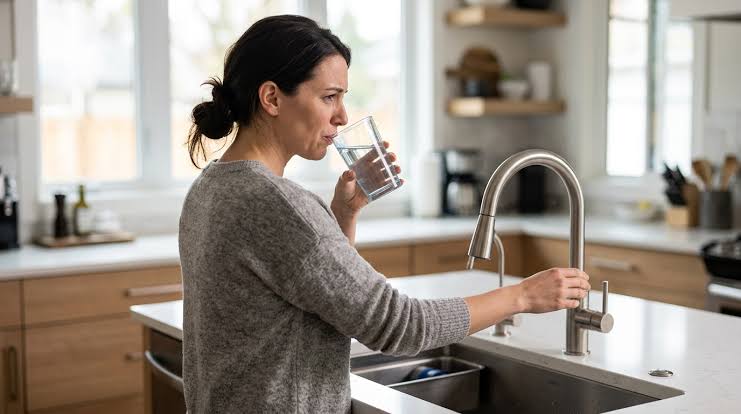
Water is one of those things we rarely think about until something seems wrong. Maybe the morning shower leaves your skin feeling dry, soap refuses to lather properly, or a glass of drinking water has an odd smell. Sometimes, the first clue is a crusty white layer around the kitchen faucet that keeps coming back no matter how often you clean it.
These everyday frustrations can point to different water quality issues. The good news is that many can be addressed with the right treatment approach. The trick is figuring out what your water actually needs instead of spending money on equipment that may not solve the problem.
Recognizing the Signs of Water Quality Problems
Water issues don’t always look dramatic. In fact, some of the most common concerns show up through small changes in household routines. Laundry may feel stiff after washing, dishes might have spots even after a full dishwasher cycle, and taps can develop mineral deposits over time.
Other concerns are more noticeable. An unusual smell, cloudy appearance, metallic taste, or visible particles may indicate a need for further investigation. These signs don’t automatically mean water is unsafe, but they shouldn’t be ignored either.
Your water source provides useful context. Municipal water is treated and monitored under applicable regulations, yet it can still have taste and odor characteristics that some households dislike. Private wells depend on local geology and surrounding conditions, which means water quality can vary considerably from one property to another.
Rather than guessing, start by identifying the symptoms and considering a water test. Testing gives you a clearer understanding of the substances present and helps narrow down suitable treatment options.
When City Water Has an Unpleasant Taste
Many homeowners notice a swimming-pool-like smell or flavor when they fill a glass straight from the tap. In some cases, chlorine taste in city water is responsible. Municipal water providers commonly use chlorine or related disinfectants to control harmful microorganisms as water travels through the distribution system.
Disinfection plays an important role in protecting public health. However, the taste or smell can be unpleasant, especially for people who prefer drinking water with a more neutral flavor.
A properly selected activated carbon filter can often reduce chlorine taste and odor. Depending on the filter’s design and certification, it may also reduce certain other substances. Options include faucet-mounted filters, countertop systems, under-sink units, and refrigerator filters.
The best choice depends on how much filtered water your household uses and how much space you have available. Someone who mainly wants better-tasting drinking water may be happy with a compact filter. A larger family that fills bottles, cooks regularly, and uses filtered water throughout the day might prefer a higher-capacity system.
Remember that chlorine reduction isn’t the same as removing every contaminant. Check the product’s certified performance claims and replace cartridges according to the manufacturer’s instructions. A filter that has reached the end of its service life may not perform as intended.
If the smell or taste changes suddenly, contact your water supplier or investigate the issue before assuming a filter will fix it.
Dealing With Hard Water Around the House
Hard water is another common source of household frustration. It contains elevated levels of dissolved minerals, particularly calcium and magnesium. These minerals aren’t generally a health concern at typical drinking-water levels, but they can make cleaning and appliance maintenance more difficult.
You may notice white deposits on faucets, cloudy glassware, soap scum around the bathtub, or a stubborn film on shower doors. Over time, mineral scale can also build up inside water heaters, pipes, and other equipment.
For many homeowners, hardness that can damage appliances becomes a concern when scale accumulation affects heating efficiency, water flow, or routine maintenance. The extent of the problem depends on the hardness level, water temperature, usage patterns, and the type of equipment installed.
A water softener can help address hardness by exchanging calcium and magnesium ions for other ions, commonly sodium. This reduces the minerals responsible for traditional hard-water scale. Some households may instead choose a conditioner or scale-control device, although these technologies work differently and should not automatically be considered equivalent to a conventional softener.
Testing is a sensible first step. A hardness test can show whether minerals are present at a level that justifies treatment. From there, a qualified water treatment professional can help determine the appropriate system capacity based on household water use.
It’s worth noting that softeners do not remove every contaminant. If your water also contains concerns such as nitrates, arsenic, or microorganisms, those issues require separate evaluation and treatment methods suited to the specific contaminant.
Why One Water Treatment System Doesn’t Fit Every Home
It can be tempting to buy a single product advertised as an all-in-one solution. Unfortunately, water chemistry is more complicated than that. A system designed to improve taste may do little for hardness, while a softener isn’t intended to remove every substance that could affect drinking water quality.
This is where customized solutions can make a real difference. The aim isn’t to install the most expensive equipment available. It’s to match the treatment method to the water test results, the household’s daily habits, and the concerns that matter most.
For example, a home with moderately hard water and an unpleasant chlorine taste may benefit from a softener paired with a certified drinking-water filter. A property with a private well may require a different combination, depending on laboratory results. Another home might only need a simple carbon filter under the kitchen sink.
System size matters, too. A unit that is too small for a busy household may struggle to meet demand, while oversized equipment can add unnecessary upfront and operating costs. Maintenance requirements, replacement cartridge availability, wastewater production, and installation space should all be part of the decision.
Ask providers to explain the purpose of each component. If a proposed system includes several treatment stages, you should understand what each stage does and why it is necessary.
Don’t Forget Installation and Regular Maintenance
Even well-chosen equipment needs proper installation and care. Incorrect plumbing connections can lead to leaks, and poor placement may make filter replacement difficult. Some systems also require a nearby drain, an electrical outlet, or specific water pressure conditions.
Before installation, confirm what the quoted price covers. Ask whether it includes fittings, labor, testing, and any additional plumbing work. It is also useful to understand the warranty terms and who to contact if the system needs attention later.
Once the equipment is running, follow the maintenance schedule. Replace filters on time, clean components as directed, and arrange follow-up testing when appropriate. Homes using private wells should continue routine testing according to local public health recommendations, even when treatment equipment is installed.
If your water suddenly changes in appearance, taste, or smell, investigate the cause rather than relying on the treatment system to handle an unknown problem.
Making a Confident Choice for Your Home
Good water treatment begins with asking the right questions. What is bothering you about your water? Is the problem mainly taste, mineral buildup, or a specific contaminant identified through testing? How much water does your household use, and what maintenance are you comfortable handling?
The answers will help you choose equipment that makes sense for your circumstances and budget. They can also prevent you from paying for features that offer little benefit.
Water quality isn’t identical from one home to the next, even within the same neighborhood. A little testing, some careful comparison, and advice from a knowledgeable professional can make the process far less confusing.
The goal is simple: water that suits your household’s needs, equipment that performs as expected, and a treatment plan you can maintain without unnecessary hassle. When you understand the problem before choosing the solution, you’re much more likely to make an investment you’ll appreciate for years to come.