Plumbing problems have a funny way of showing up when you least need them. A pipe starts making noise during the night, water pressure suddenly feels weak, or a fixture that worked perfectly yesterday begins acting strangely. Sometimes the fix is simple. Other times, repeated problems are telling you something important about the system itself.
That’s where proper inspection and thoughtful repairs come in. Instead of treating every plumbing issue as an isolated event, it can be useful to look at the bigger picture. Is the equipment working correctly? Is the existing pipe route still practical? Has a component simply worn out?
Knowing the difference can save homeowners money, time, and plenty of frustration.
Start With a Proper Inspection
Before deciding what needs to be done, a plumber should understand what’s actually happening.
A professional inspection may include checking water pressure, examining visible connections, looking for leaks, and testing components that could be contributing to the problem. In some cases, specialized equipment may also be needed.
This matters because symptoms can be misleading. Low water pressure, for example, could come from a damaged pipe, a partially closed valve, mineral buildup, or a problem somewhere else in the plumbing system.
Guessing might produce a quick answer, but it doesn’t always produce the right one.
Testing Equipment Can Reveal More Than You Think
Modern plumbing systems contain various devices that need to operate within specific ranges. Pressure-related equipment, backflow assemblies, and other components can behave differently when something inside them begins to wear.
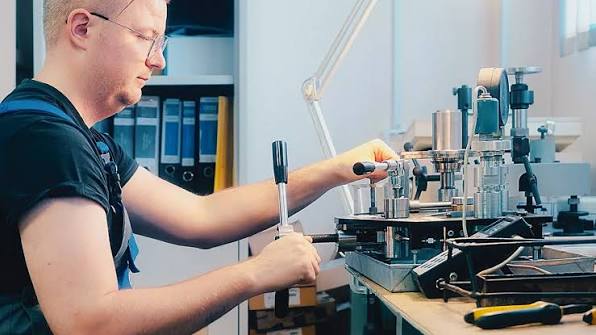
Professionals may test & calibrate equipment to make sure it is performing as expected.
Calibration isn’t necessarily about fixing something that’s completely broken. Sometimes it’s about confirming that the equipment is measuring or controlling conditions accurately.
That distinction is important. A device that looks fine from the outside can still perform poorly if its internal components aren’t functioning correctly.
When a Reroute Makes More Sense
Not every plumbing problem is caused by a bad pipe. Sometimes the problem is where the pipe is located.
If a line runs through an extremely difficult-to-access area, repairing it repeatedly may become expensive and disruptive. In certain situations, a reroute can provide a more practical long-term solution.
Instead of continuing to use the troublesome section, a new path is created for the plumbing. This may be particularly useful during remodeling projects or when existing pipes run beneath concrete, finished flooring, or other difficult areas.
The decision shouldn’t be based simply on convenience. A professional needs to consider water flow, pipe sizing, access, building structure, and applicable plumbing requirements.
Why Repeated Repairs Deserve Attention
One repair doesn’t necessarily indicate a major problem. Pipes and fixtures occasionally fail. That’s part of owning a property.
But when the same type of problem keeps happening, it’s worth stepping back.
If you’ve repaired the same line several times, replaced multiple fittings in a short period, or experienced leaks in several areas, there may be an underlying issue. Aging materials, corrosion, excessive pressure, or poor installation can all contribute to repeated failures.
At that point, continuing to patch one problem after another may not be the most economical approach.
When Replacement Is the Smarter Choice
There are situations where it’s simply time to replace a damaged component.
For example, a severely corroded valve may not be worth repairing if a reliable replacement is readily available. Likewise, an old fixture that repeatedly fails could cost more in service calls than a new, efficient unit.
Replacement doesn’t always mean replacing an entire plumbing system. Sometimes it’s one valve, one section of pipe, or one fixture.
The goal is to choose a solution that matches the actual condition of the equipment rather than automatically going for the biggest possible project.
Think About Access Before Work Begins
Accessibility can have a major impact on the final repair.
A pipe located in an unfinished utility area may be straightforward to replace. The same pipe hidden behind tile or underneath a concrete slab can involve considerably more labor.
That’s why it’s worth asking how the technician plans to reach the problem area.
If there are multiple possible repair methods, discuss the advantages and disadvantages of each. A slightly different approach might reduce demolition and make future maintenance easier.
It’s not always about choosing the cheapest option. Sometimes the better value is the solution that won’t force you to repeat the same work next year.
Don’t Ignore Changes in Water Pressure
Water pressure can provide useful clues about what’s happening inside a plumbing system.
If pressure suddenly drops, fluctuates frequently, or feels noticeably different throughout the property, don’t automatically assume it’s a temporary inconvenience.
There could be a leak, restriction, failing pressure-control component, or another issue affecting the system.
A professional can measure the pressure rather than relying on how it feels from a faucet. That’s a small distinction, but actual measurements provide much better information.
A Good Repair Should Solve the Problem, Not Hide It
There’s a temptation in home maintenance to focus only on making the immediate symptom disappear.
If water stops dripping, the problem feels solved. If pressure improves, everyone moves on.
But good plumbing work goes a little deeper. The technician should consider why the failure happened in the first place and whether the repair is likely to hold up.
That doesn’t mean every repair needs to become a major renovation. Quite the opposite. The best solution is often the simplest one that properly addresses the underlying problem.
Ask Questions Before Approving Major Work
Plumbing projects can become expensive, particularly when walls, floors, or concrete are involved.
Before approving significant work, ask what has been found, what options are available, and why one approach is being recommended over another.
You can also ask about the expected lifespan of the repair, potential disruption, and whether there are restoration costs to consider.
A trustworthy professional should be comfortable explaining the reasoning. You don’t need to know every plumbing term to make an informed decision.
Look at the Bigger Picture
The best plumbing decisions aren’t always about fixing today’s problem as cheaply as possible. They’re about balancing cost, reliability, access, and the future condition of the system.
Sometimes testing is all that’s needed. Sometimes a reroute makes sense because the existing pipe path is creating ongoing problems. And sometimes replacement is the most practical way to stop a recurring failure.
Whatever the situation, don’t let a small plumbing symptom push you into a rushed decision.
Take a breath, find out what’s actually happening, and choose a repair that fits the property. Plumbing is mostly hidden from view, but the decisions you make about it can have a very visible effect on your home for years to come.